
Parallel Compression – TUTORIAL
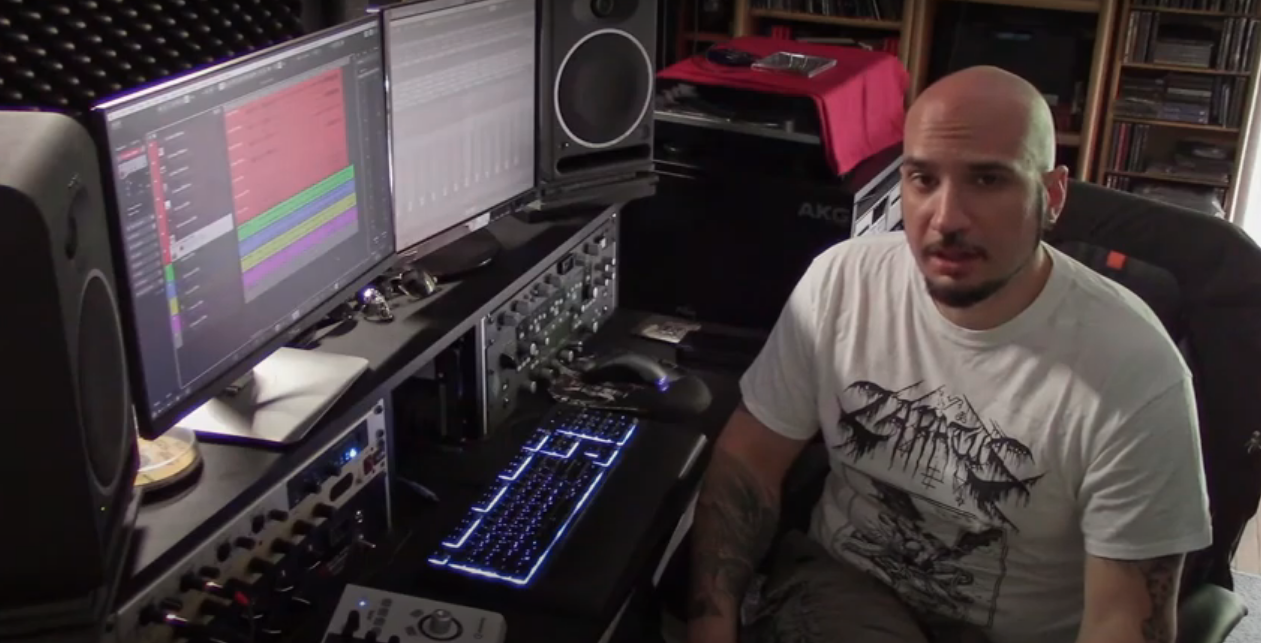
When using an EQ, a modulation, a saturation effect or a compressor we are usually used to in line processing. The processor receives signal and simply outputs the signal wet.
When talking parallel processing we describe a routing method or technique that involves summing the dry signal with the very wet instance of the same source. This can be achieved through simple (or complex) routing in a mixer, duplicating a channel in a virtual mixer or by directly using some kind of blend knob in the processor.
“Parallel processing refers to the technique of processing a copy of a track in a mix and then combining it with the original” [source]
Parallel compression is a powerful technique that elaborates mixing between the dry signal and the heavily compressed instance of the same signal. This can help managing and controlling quite well the balance between the natural sound and the elements we wish to enhance (attack, punch, low end etc). In addition it is a very interesting and advanced upward compression technique.
Now available in Suncord Audiolab YouTube channel two new video tutorials on parallel compression.
PART I:
👉 Faders’ level meters, input/output
👉Super rough mix
👉Duplication
👉Blend knob
👉Mix dry signal knob
PART II:
👉Pre/post send to aux buss
👉Parallel compression with direct routing
👉Multiple sends / parallel mix
Enjoy!